
In addition to the standard official searches which the buyer’s solicitor would undertake as part of their due diligence and which relate rather to the documentation in relation to the property, some buyers choose to conduct a survey of the property which reveals more about its physical state and condition. These are called Homebuyer surveys and are different types according to the level of investigation you would like the surveyor to go into. It is recommended you instruct such a survey especially if the property is more than 20 years old. Below we have summarised each type of survey:

RICS Condition Report – summarises the condition of the property, identifies potential risks and legal issues and underlines urgent need for repairs. It is most suitable for new or well-maintained buildings as it does not offer advice and does not include valuation of the property. It uses the traffic lights system to indicate the importance of the issues. The price depends on the property value.

RICS HomeBuyer Report – This one is suitable for standard properties in good condition. Prices start from £400 and depend on the property value. The report includes comments in relation to the structure of the building such as any damp or subsidence issues as well as other hidden problems. It does not include checks under the floors or behind the walls. It may include valuation of the property, which may be lower than the bank’s valuation in which case you may be able to change your offer. If it doesn’t include valuation then you can use the repairs recommendations to re-negotiate the price of the property.
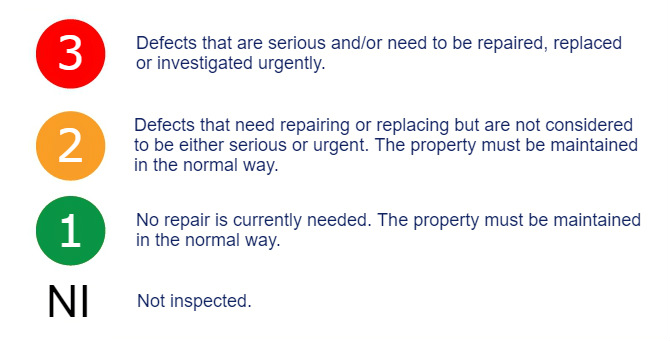
Building or full structural survey – This is the most detailed survey you can instruct on a property. It is suitable for all types of buildings and is most useful for old and disrepair ones. Prices start from £600. The report includes detailed advice on the needed repairs and improvements. It does not usually include a valuation, nor any inspections under the floors and behind the walls, however the surveyor must include their opinion on potential hidden defects and defects specific for the region.

RICS Building Survey – this one provides the same level of investigation as the Building or full structural survey, however it uses a clearer and more user friendly presentation, which helps clients identify the more serious problems more easily. It is appropriate for bigger or older buildings or if you are planning a major renovation or refurbishment. The report is detailed in relation to the condition of the property, underlines the problems and contains advice in relation to the defects, the repairs and the maintenance options.. Prices usually start at £400.
New-build snagging survey – this is an independent check which identifies any snagging issues in new build properties. Prices usually start at £300 depending on the size of the property. The developer must rectify all issues revealed by this survey before completion of the sale.
Some buyers order such a survey as soon as their offer on a property has been accepted while others await their mortgage offer to be issued before they incur this expense. It is unreasonable to leave such a survey until a later stage in the process as it may take a surveyor a few weeks to be able to attend the property. It is important to review the report in detail and provide a copy to your solicitor. If there are significant issues, you may be able to require the seller to resolve or rectify them before exchange of contracts, or to make an allowance from the price so that you can deal with these after completion. The seller may require at least two professional quotes for any such repairs.
You can use Appendix 10 from Part One of the book “How to buy your first home in England (and Wales)” to put down all quotes for a survey you have received and to easily manage them.
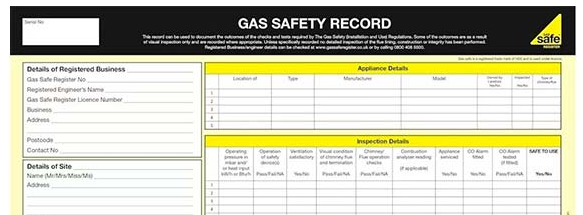
Some buyers prefer to instruct checks only on the gas and electricity installations. The former costs about £30 – £150 and the latter would be about £80 – £150, depending on the size of the property. Below are examples of how these look.
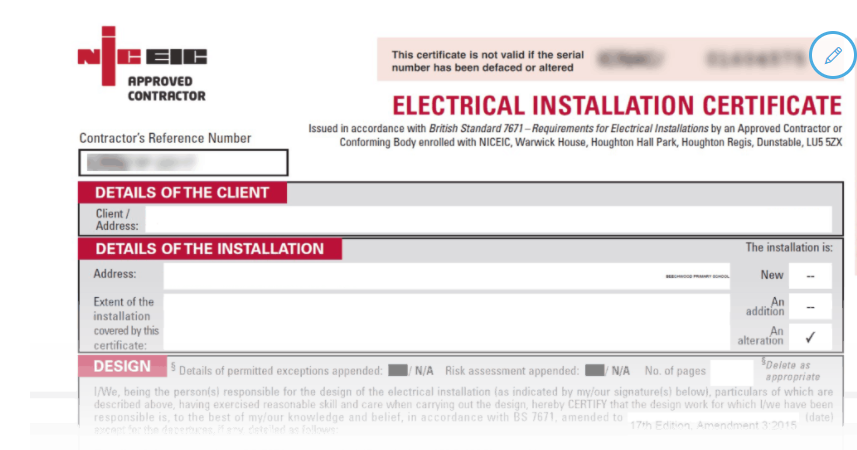
Electrical installation
Once the electrical installation in a building has been completed, a certificate of compliance will be issued to confirm it meets the safety standards. If the property is less than 10 years old, this certificate would be required by the buyer’s solicitors along with all other certificates and approvals of the build. After 10 years, it is recommended that the installation is tested every five years and after 20 years, you need to test it every year or every other year. The older the building gets the more frequent these checks need to be. if you need any additional installations or replacement of part or whole of the electrical installation, then completion of each job would require a separate certificate of compliance. This certificate can be obtained in one of three ways – from the Council, from an engineer who can certify the works done or from the engineer who did the works themselves.
Gas installation
If there is a gas boiler at the property, there needs to be a boiler installation certificate as well as Building Regulations Compliance Certificate. Once installed, regular checks of the heating system need to be done, following each of which a test certificate or report is issued which also highlights any issues or need for repairs and upgrades.